65th LISBON World Congress on The Impact of Technology on Society & Culture: LITSC-26


+91 9781001229, +66 62 601 8051,
+351 920 619 073
+91 9781001229, +66 62 601 8051,
+351 920 619 073
Full Articles/ Reviews/ Shorts Papers/ Abstracts are welcomed in the following research fields:
This pillar explores how the "medium" changes the message and the relationship.
Social Media Dynamics:
The "Echo Chamber" effect and algorithmic polarization.
Digital footprints and the "Right to be Forgotten."
The evolution of language (emojis, internet slang, and meme culture).
Interpersonal Relationships:
The shift from face-to-face to screen-mediated intimacy.
The "Paradox of Choice" in digital dating (e.g., Tinder, Bumble).
Parasocial relationships with influencers and AI companions.
The Digital Divide:
Global inequality in internet access.
Generational gaps in technological literacy.
Technology is the primary driver of how we sustain ourselves and distribute resources.
The Automation Revolution:
Artificial Intelligence and the displacement of white-collar vs. blue-collar jobs.
The Universal Basic Income (UBI) debate.
The Gig Economy:
Platform-based labor (Uber, Fiverr) and the erosion of traditional benefits.
Remote work culture and the "Digital Nomad" lifestyle.
Digital Finance:
Cryptocurrency, Blockchain, and the decentralization of banking.
The transition toward a cashless society and its impact on privacy.
This area looks at the power struggle between the individual, the corporation, and the state.
Surveillance Capitalism:
Data as a commodity: How personal info is harvested and sold.
Biometric surveillance (facial recognition) in urban spaces.
Digital Politics:
E-Governance and digital voting systems.
The role of "Deepfakes" and misinformation in democratic elections.
Cyber-warfare and state-sponsored hacking.
Ethics of Emerging Tech:
Algorithmic bias (racism or sexism in AI decision-making).
The "Trolley Problem" in autonomous vehicles.
This is perhaps the most "interrelated" topic, as it touches on our internal sense of self.
Mental Health & Well-being:
Dopamine loops and social media addiction.
"Technostress" and the inability to "unplug."
Body dysmorphia linked to digital filters and photo editing.
Transhumanism & Bioethics:
Neural implants (e.g., Neuralink) and cognitive enhancement.
CRISPR and the ethics of "designer babies."
The blurring line between biological and synthetic life.
How we learn and what we value as "truth" has shifted entirely.
The Democratization of Information:
Open-source learning (YouTube, Khan Academy, Wikipedia).
The decline of traditional gatekeepers (libraries, encyclopedias).
Cognitive Offloading:
The "Google Effect": How relying on search engines changes human memory.
The role of Generative AI in the classroom (Chatbots and academic integrity).
Technology's physical footprint on the planet.
Sustainable Tech:
The transition to renewable energy (Solar, Wind, Nuclear Fusion).
The environmental cost of "Cloud" computing and data centers.
E-Waste:
Planned obsolescence and the global trash cycle of hardware.
The ethics of rare-earth mineral mining.
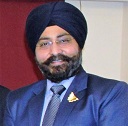
Prof. Dr. P. S. Sandhu

Assoc. Prof. Dr. Hemantkumar P. Bulsara

Dr. Tosaporn Mahamud.,Ph.D,

Dr.Yingthawornsuk Thaweesak,
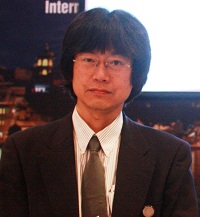
Prof. Dr. Kazuaki Maeda

Prof. Dr. B. Topcuoglu