5th ISTANBUL World Congress on Languages, Literature, Humanities & Social Sciences: L2HS2-26


+91 9781001229, +66 62 601 8051,
+351 920 619 073
+91 9781001229, +66 62 601 8051,
+351 920 619 073
Full Articles/ Reviews/ Shorts Papers/ Abstracts are welcomed in the following research fields:
This domain focuses on the structure, evolution, and social application of communication.
Linguistics (The Science of Language)
Phonetics and Phonology (Sounds)
Morphology and Syntax (Structure and Grammar)
Semantics and Pragmatics (Meaning and Context)
Applied Linguistics
Second Language Acquisition (SLA)
Sociolinguistics (Language and Society)
Computational Linguistics (AI and Natural Language Processing)
Historical Linguistics
Etymology and Language Evolution
Comparative Linguistics
Literature explores the human condition through written and oral narratives.
Literary Genres
Poetry, Prose, Drama, and Non-fiction
Comparative Literature (Cross-cultural studies)
Literary Theory and Criticism
Formalism and Structuralism
Post-colonial and Feminist Theory
Psychoanalytic Criticism
Creative Writing
Narratology and Storytelling
Poetics
The humanities study human culture through philosophical, historical, and artistic lenses.
Philosophy
Ethics and Moral Philosophy
Epistemology (The Study of Knowledge)
Metaphysics and Logic
History
World History and Historiography
Cultural and Intellectual History
Archaeology and Material Culture
Religion and Theology
Comparative Religion
Mythology and Folklore
Visual and Performing Arts
Art History and Aesthetics
Musicology and Ethnomusicology
Film and Media Studies
These disciplines use empirical and qualitative methods to study society and human relationships.
Sociology
Social Stratification and Inequality
Urban and Rural Sociology
Sociology of Culture
Psychology
Cognitive and Behavioral Psychology
Social Psychology
Developmental Psychology
Anthropology
Cultural Anthropology and Ethnography
Biological Anthropology
Linguistic Anthropology
Political Science
International Relations
Political Theory and Governance
Public Policy
Economics
Microeconomics and Macroeconomics
Behavioral Economics
Economic History
Human Geography
Demographics and Migration
Environmental Humanities
Many modern academic fields exist at the intersection of the categories above.
Cultural Studies: Blends sociology, literature, and media to analyze power dynamics in society.
Digital Humanities: Uses computational tools (Social Sciences/Tech) to analyze historical or literary texts (Humanities).
Gender and Sexuality Studies: Combines history, sociology, and literary theory to examine identity.
Communication Studies: Links linguistics, psychology, and media studies to understand how information is shared.
Cognitive Science: The intersection of linguistics, psychology, and philosophy regarding the mind.
Environmental Humanities: Merges ethics, history, and geography to address climate change and human impact.

Prof. Dr. P. S. Sandhu

Assoc. Prof. Dr. Hemantkumar P. Bulsara
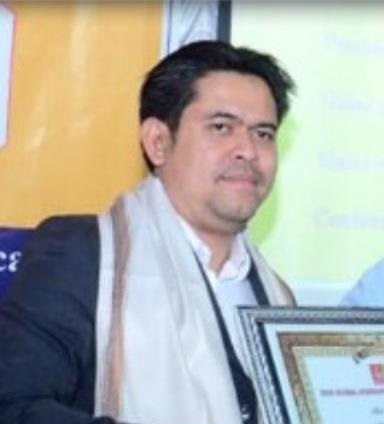
Dr. Tosaporn Mahamud.,Ph.D,

Dr.Yingthawornsuk Thaweesak,

Prof. Dr. Kazuaki Maeda

Prof. Dr. B. Topcuoglu