PARIS 5th World Congress on Languages, Literature & Social Sciences: PL2S2-27


+91 9781001229, +66 62 601 8051,
+351 920 619 073
+91 9781001229, +66 62 601 8051,
+351 920 619 073

Full Articles/ Reviews/ Shorts Papers/ Abstracts are welcomed in the following research fields:
I. Core Independent Disciplines & Key Areas
1. Linguistics & Language Studies
Phonetics and Phonology: The physical production, acoustics, and cognitive patterns of human speech sounds.
Syntax and Morphology: The structural rules governing sentence formation and internal word construction.
Semantics and Pragmatics: The literal meaning of words and how context alters interpretation in real-world communication.
Applied Linguistics: Second-language acquisition, language pedagogy, translation studies, and speech pathology.
Sociolinguistics: The study of how language varies across social classes, regions, genders, and cultures.
Computational Linguistics: Natural language processing, machine translation, speech recognition, and corpus linguistics.
2. Literature & Literary Studies
Literary Theory and Criticism: Philosophical frameworks for analyzing texts, including structuralism, post-colonialism, feminist criticism, and psychoanalysis.
Comparative Literature: Analyzing literary works across different national traditions, languages, eras, and mediums.
Genre Studies: Examination of specific literary forms such as poetry, drama, prose fiction, creative non-fiction, and speculative literature.
Historical and Regional Literatures: Classical antiquity, Medieval, Renaissance, Post-modern, African, Asian, Indigenous, and Diaspora literatures.
Philology and Textual Studies: The historical study of language through manuscript preservation, critical editions, and textual archaeology.
3. Psychology & Human Behavior
Cognitive Psychology: Memory, perception, attention, reasoning, decision-making, and problem-solving processes.
Developmental Psychology: Physical, cognitive, and emotional development across the human lifespan.
Social and Personality Psychology: Individual differences, group dynamics, social perception, attitudes, and interpersonal relationships.
Clinical and Counseling Psychology: Mental health diagnosis, psychological disorders, therapeutic modalities, and well-being.
4. Sociology & Social Structures
Sociological Theory: Micro- and macro-level frameworks analyzing social order, power, stratification, and social change.
Institutions and Demographics: Family structures, education systems, religion, crime and deviance, urban sociology, and population dynamics.
Social Inequality: Systems of class, race, ethnicity, gender, and global stratification.
5. Anthropology & Cultural Studies
Cultural and Social Anthropology: Ethnographic studies of human cultures, beliefs, rituals, kinship, and customs.
Biological Anthropology: Human evolution, primatology, genetic variation, and physical adaptations.
Archaeology: Reconstructing past human societies through material remains and artifact analysis.
Linguistic Anthropology: How language shapes social life, identity, and cultural ideology.
6. History & Historical Analysis
Historiography: The methods, theories, and historical development of history writing itself.
Chronological Eras: Ancient, Medieval, Early Modern, and Contemporary global histories.
Thematic History: Social, economic, political, cultural, military, and environmental history.
7. Political Science & Global Affairs
Political Theory and Philosophy: Conceptions of justice, authority, freedom, power, and statehood from antiquity to modernity.
Comparative Politics: Analysis of domestic political structures, electoral systems, and governance across nations.
International Relations: Global diplomacy, conflict resolution, international law, and foreign policy analysis.
Public Policy and Administration: The implementation of government policy, institutional design, and bureaucratic function.
8. Philosophy & Human Thought
Epistemology and Metaphysics: The nature of knowledge, belief, truth, reality, and existence.
Ethics and Value Theory: Moral philosophy, bioethics, environmental ethics, and political philosophy.
Logic and Philosophy of Mind: Formal reasoning, consciousness, intentionality, and cognitive metaphysics.
II. Interrelated and Cross-Disciplinary Fields
1. Language, Culture, and Society
Discourse Analysis: Examining spoken and written language to uncover power dynamics, ideology, and social norms.
Psycholinguistics: The intersection of linguistics and cognitive psychology, focusing on how the brain processes, comprehends, and produces language.
Ethnolinguistics: The relationship between language structure and the worldview of specific cultural groups.
Digital Humanities: Applying computational tools, data visualization, and algorithms to literary, historical, and linguistic datasets.
2. Literature, Philosophy, and History
Intellectual History: The study of how ideas, philosophies, and ideologies emerge and evolve through historical texts.
Hermeneutics: The theory and methodology of text interpretation, spanning theology, literature, law, and philosophy.
Narratology and Cultural Memory: How societies use narrative forms, folklore, and historical literature to construct collective identity and history.
3. Social Sciences, Communication, and Politics
Political Communication: How rhetoric, media, language, and propaganda shape public opinion, policy, and elections.
Sociology of Knowledge: Investigating how social processes influence the creation, dissemination, and institutionalization of ideas.
Behavioral Economics: Integrating cognitive psychology with economic decision-making models.
Media and Cultural Studies: Analyzing how popular culture, journalism, digital platforms, and mass media reflect and shape social values.
4. Philosophy, Language, and Mind
Philosophy of Language: Exploring the relationships between language, thought, reality, and reference.
Cognitive Poetics: Using insights from cognitive science to understand how readers experience and interpret literary works.
Semiotics: The broad study of signs, symbols, and meaning-making processes across language, culture, and social signals
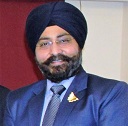
Prof. Dr. P. S. Sandhu

Assoc. Prof. Dr. Hemantkumar P. Bulsara
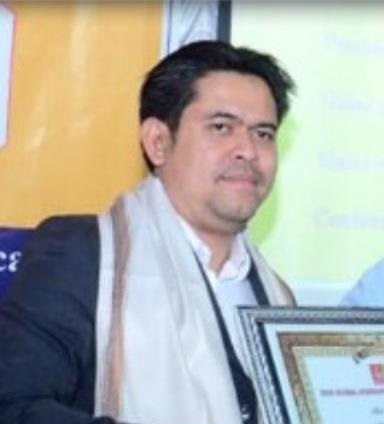
Dr. Tosaporn Mahamud.,Ph.D,

Dr.Yingthawornsuk Thaweesak,
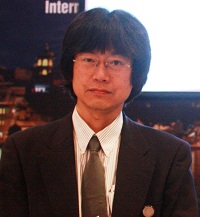
Prof. Dr. Kazuaki Maeda

Prof. Dr. B. Topcuoglu